Deep Cleaning: The Complete Approach to a Fresher, Healthier Space
What Deep Cleaning Really Means

Deep cleaning goes far beyond routine tidying and surface wiping. It focuses on the buildup that regular cleaning often misses: grime behind appliances, dust inside vents, soap scum on bathroom fixtures, grease in kitchens, and hidden allergens in carpets, corners, and upholstery. While everyday cleaning keeps a space looking presentable, deep cleaning restores a higher level of cleanliness that feels noticeably different.
For many households and businesses, deep cleaning becomes necessary when a space starts to feel dull, dusty, or less sanitary even after normal maintenance. This service is especially valuable after seasonal changes, before hosting events, after renovations, or when moving in or out of a property. A true deep clean resets the environment and helps create a healthier indoor atmosphere.
Unlike quick surface cleaning, deep cleaning targets overlooked details. It usually includes detailed attention to bathrooms, kitchens, floors, baseboards, fixtures, doors, high-touch areas, and hidden spots where dirt tends to accumulate. This process is not just about appearance. It supports better hygiene, longer-lasting surfaces, and improved comfort.
Why Deep Cleaning Matters for Homes and Workplaces

There are many reasons people choose deep cleaning services instead of relying only on regular housekeeping. In homes, it helps reduce dust, pet dander, bacteria, and allergens that can build up over time. In offices or commercial spaces, it creates a cleaner impression for employees, clients, and visitors while supporting a more professional environment.
One major benefit of deep cleaning is that it reaches the places daily cleaning routines often ignore. Behind refrigerators, under couches, along window tracks, and inside cabinets can collect debris for months. When these areas are cleaned properly, the whole room feels brighter and more comfortable.
Another important reason is prevention. Deep cleaning can help avoid long-term damage caused by grease, mold, mildew, hard water deposits, and embedded dirt. Regular attention to these issues can extend the life of flooring, countertops, tiles, appliances, and furniture.
Key Areas Covered During Deep Cleaning
Kitchen Focus
The kitchen is one of the most common areas for deep cleaning. It collects grease, crumbs, moisture, and sticky residue that can attract pests and leave unpleasant odors. A proper kitchen deep clean usually includes stovetops, range hoods, backsplashes, sinks, cabinet fronts, appliance exteriors, and hard-to-reach corners.
Inside appliances may also be addressed depending on the service. Ovens, microwaves, refrigerators, and dishwashers often benefit from detailed cleaning because food particles and spills can linger there for a long time. This improves both cleanliness and kitchen hygiene.
In addition, sinks, faucets, and counters are scrubbed to remove buildup. With deep cleaning, the goal is not only to make the kitchen look clean but also to reduce contamination and maintain a healthier food preparation space.
Bathroom Focus

Bathrooms require close attention during deep cleaning because they are exposed to moisture, soap scum, toothpaste residue, body oils, and bacteria. Common deep-clean tasks include scrubbing tubs, showers, toilets, sinks, mirrors, tiles, grout, and fixtures.
Grout lines and tile edges are especially important because they can trap mildew and dirt. A detailed bathroom deep clean may also involve descaling faucets, disinfecting handles, polishing glass, and removing buildup from corners and vents.
A thoroughly cleaned bathroom feels fresher, smells better, and is more pleasant to use. For households with children, seniors, or allergy-sensitive individuals, this part of deep cleaning can make an especially noticeable difference.
How Deep Cleaning Differs from Regular Cleaning
Many people use the terms interchangeably, but there is a clear difference between regular cleaning and deep cleaning. Regular cleaning is focused on maintenance. It includes daily or weekly tasks such as wiping counters, vacuuming open areas, mopping visible floors, and taking out trash.
Deep cleaning, on the other hand, is more detailed and time-intensive. It addresses buildup, hidden dirt, and neglected surfaces. This means moving items, cleaning behind and under furniture, sanitizing detailed areas, and tackling tasks that are usually skipped during routine upkeep.
To put it simply, regular cleaning keeps a space tidy, while deep cleaning restores it. Both are important, but they serve different purposes. Together, they create a cleaner and more manageable environment over time.
Common examples of deep cleaning tasks
- Cleaning baseboards, door frames, and trim
- Dusting ceiling fans, vents, and light fixtures
- Washing interior windows and tracks
- Removing buildup from bathroom grout and tile
- Degreasing kitchen appliances and surfaces
- Vacuuming under furniture and along edges
- Sanitizing high-touch points like switches and handles
Benefits of Deep Cleaning for Health and Comfort
One of the biggest advantages of deep cleaning is the impact on indoor health. Dust, pollen, mold spores, and allergens can settle in hidden spaces and circulate through the air. A thorough cleaning routine helps reduce these irritants and can make breathing easier, especially for people with allergies or asthma.
Deep cleaning also supports better mental comfort. A room that has been carefully cleaned often feels calmer, more organized, and easier to enjoy. Many people notice that their mood improves when their home or workplace looks and smells fresh.
There are also practical benefits. Regular deep cleaning can help preserve materials and surfaces. Dirt and residue can wear down fabric, dull finishes, stain grout, and damage appliances over time. Cleaning these areas properly helps protect your investment and keep the space in good condition.
When to Schedule Deep Cleaning
Knowing when to schedule deep cleaning is just as important as knowing what it involves. Most spaces benefit from a deep clean every few months, but the right timing depends on usage, household size, pets, lifestyle, and environmental conditions.
Common times to book a deep cleaning service include seasonal transitions, before major events, after illness, after construction work, and before moving into a new property. These moments often call for a reset because dust, debris, and germs may have accumulated more than usual.
Many homeowners also choose deep cleaning after long periods of neglect or after busy life changes. New babies, vacation returns, office moves, and renovation projects can all create a need for more detailed cleaning attention.
Helpful timing examples
- Spring and fall cleaning sessions
- After a home renovation
- Before or after hosting guests
- During move-in or move-out preparation
- After illness or extended travel
What a Professional Deep Cleaning Usually Includes

A professional deep cleaning appointment is typically more detailed than a standard visit. While exact services vary, most providers focus on comprehensive cleaning of major living or working areas. The objective is to remove buildup and improve overall hygiene.
In a home, a deep clean may include dusting all reachable and some hard-to-reach surfaces, scrubbing kitchens and bathrooms, wiping down cabinets, cleaning fixtures, and washing floors in detail. Bedrooms and living areas may receive extra attention on furniture, under beds, behind couches, and around decorative items.
Some professionals also offer add-on services such as inside oven cleaning, inside fridge cleaning, window washing, or carpet treatment. These extras can be helpful when a space needs a more intensive reset. A high-quality deep cleaning service is usually tailored to the condition of the property and the needs of the customer.
Typical room-by-room priorities
Deep cleaning often follows a logical room-by-room strategy. This helps ensure nothing is missed and that the most important areas get the attention they need. By working through each space carefully, cleaners can achieve better results in less time.
Here is a practical breakdown:
- Kitchen: grease removal, appliance detailing, sink scrubbing, backsplash cleaning
- Bathroom: toilet sanitation, grout scrubbing, mirror polishing, fixture descaling
- Bedrooms: dust removal, baseboard cleaning, under-bed vacuuming, surface wiping
- Living areas: upholstery care, corner dusting, floor edge cleaning, vents and fans
- Entryways: floor care, door wiping, handle disinfection, dirt removal
This method makes deep cleaning efficient and thorough while helping create visible, lasting improvement.
Deep Cleaning Tips for Better Results
If you are planning your own deep cleaning routine, small habits can make the process easier and more effective. Preparation matters. Before starting, remove clutter, gather supplies, and create a room-by-room plan so the work stays organized.
It also helps to work from top to bottom. Dust falls downward, so cleaning ceiling fixtures, shelves, and upper surfaces first prevents re-cleaning lower areas later. This is one of the simplest ways to improve efficiency during a deep clean.
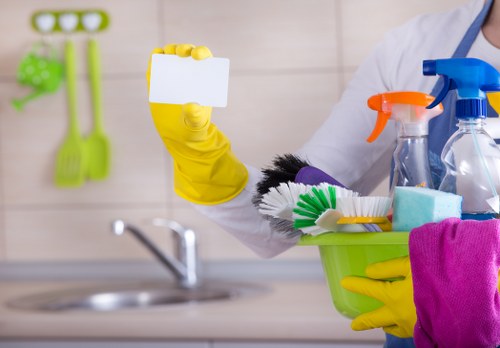
Another smart tip is to use the right tools for each surface. Microfiber cloths, scrub brushes, vacuums with attachments, and gentle disinfectants can all make a difference. Using the correct method helps avoid damage while producing a more polished result.
Useful supplies to consider
- Microfiber cloths and dusters
- All-purpose cleaner
- Bathroom disinfectant
- Degreaser for kitchen surfaces
- Sponge or scrub brush
- Vacuum with crevice attachment
- Mop and bucket
How Deep Cleaning Supports Long-Term Maintenance
One of the smartest reasons to invest in deep cleaning is that it makes regular maintenance easier. When a space is fully reset, daily or weekly cleaning tasks become faster and less stressful. Surfaces are easier to wipe, odors are reduced, and visible buildup is less likely to return quickly.
This is especially useful for busy households and commercial spaces. A well-executed deep cleaning session can reduce the need for constant scrubbing and help establish a cleaner baseline. In many cases, the results last longer than people expect because the hidden buildup has been removed.
Long-term maintenance becomes more manageable when deep cleaning is part of a recurring plan. Instead of waiting until dirt becomes overwhelming, periodic detailed cleaning keeps the environment in a healthier and more presentable condition all year.
Deep Cleaning for Moving, Renovating, or Seasonal Change
There are moments when deep cleaning becomes especially valuable. Moving into a new home often means wanting a fresh start. Even if a property appears clean, previous occupants may have left behind dust, residue, or hidden dirt. A deep clean creates a more comfortable beginning.
When moving out, deep cleaning is equally important because it helps leave the space in better condition. This can be helpful for tenants, landlords, homeowners, and property managers who want the space to look its best for the next occupant.
Renovation projects also create a strong need for deep cleaning. Dust from drywall, sawdust, paint particles, and construction debris can spread throughout a property. A careful cleaning process removes these leftovers and restores the space after the work is finished.
Seasonal changes matter too. Spring and fall are popular times to refresh indoor spaces, declutter, and focus on details that are often missed during the rest of the year. A seasonal deep cleaning routine helps keep the environment feeling renewed.
Choosing the Right Deep Cleaning Service
Not all deep cleaning services are the same, so it helps to know what to look for. A good service should be clear about what is included, how long the cleaning may take, and whether any specialized tasks are available.
It is also smart to choose a provider that uses reliable methods, appropriate products, and a structured process. Attention to detail matters in deep cleaning, because the goal is to reach the areas standard cleaning overlooks. Transparency and consistency are good signs of quality.
Before booking, think about the areas you want prioritized. Some people want more focus on kitchens and bathrooms, while others need help with floors, pet hair, or post-renovation dust. When expectations are clear, the service can be better matched to the property’s needs.
Questions to ask before booking
- What is included in the deep cleaning package?
- Are add-on services available?
- How long will the cleaning take?
- Which areas receive the most detail?
- Do you use eco-friendly or preferred products?
Making Deep Cleaning Part of a Cleaner Lifestyle
Deep cleaning does not have to be a once-in-a-blue-moon task. When paired with regular maintenance, it can become part of a practical, stress-reducing routine. Even a few planned sessions each year can improve the way a space looks, feels, and functions.
A cleaner environment often leads to better habits. When surfaces are organized and easy to access, it is simpler to keep up with dusting, wiping, vacuuming, and disinfecting. That means deep cleaning acts like a reset button that supports everything else you do to maintain a neat space.
For many people, the biggest reward is the feeling of relief after the work is done. A detailed cleaning effort can turn an overlooked or messy area into a space that feels refreshed, comfortable, and easier to live or work in.
If your property is due for a reset, now is the ideal time to take action. Book your service now or contact us today to experience the difference a proper deep cleaning can make.