Office Cleaning in Modern Workspaces: Creating Healthier, Productive, and Impressive Environments
Office cleaning plays a far bigger role in business success than many people realize. A spotless workplace is not only about appearances; it supports employee wellbeing, protects your brand reputation, and helps create a more efficient daily routine. Whether you manage a small startup, a corporate headquarters, or a shared coworking space, professional office cleaning can make a meaningful difference in how your workplace feels and functions.
In today’s competitive environment, companies are paying closer attention to cleanliness standards, hygiene protocols, and the overall condition of their facilities. Clients notice it. Employees appreciate it. Management benefits from it. And when office cleaning is done correctly, the results can be seen in morale, productivity, and even long-term maintenance costs.
This article explores the importance of office cleaning, the areas that require regular attention, how to build a smart cleaning routine, and why investing in professional cleaning services can be one of the most practical decisions for any organization.
Why Office Cleaning Matters More Than Ever
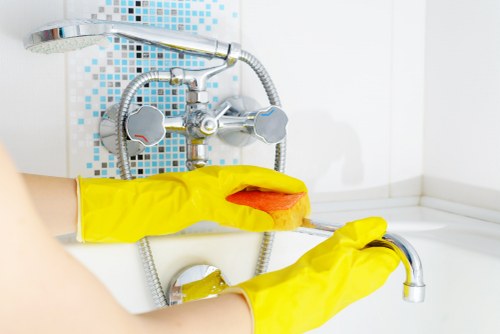
Office cleaning is no longer treated as a background task that simply keeps dust away. It has become an essential part of workplace health and operational standards. A clean office helps reduce the spread of germs, minimizes allergens, improves indoor air quality, and creates a more comfortable setting for everyone who enters the building.
Businesses that prioritize office cleaning often notice better employee satisfaction and fewer distractions. When desks are tidy, restrooms are sanitized, floors are maintained, and shared surfaces are wiped down regularly, workers can focus on their responsibilities instead of worrying about clutter or unpleasant odors. A clean office environment also sends a strong message to clients and partners: your organization values professionalism and attention to detail.
For businesses aiming to make a lasting impression, office cleaning is part of the brand experience. From the lobby to the conference room, every area contributes to how people perceive your company. In that sense, office cleaning is both a practical necessity and a strategic asset.
Key Benefits of Professional Office Cleaning

Professional office cleaning offers a range of benefits that go beyond surface-level tidiness. It supports healthier employees, extends the life of office furnishings, and helps maintain a polished image for visitors and clients. The value of these benefits adds up quickly, especially in busy workplaces where daily traffic creates constant wear and tear.
One major advantage is improved employee health. Dust, bacteria, and allergens can accumulate on surfaces, in carpets, and inside ventilation systems. Regular office cleaning reduces these irritants, helping lower the chances of sickness and discomfort. This can translate into fewer sick days and more consistent productivity.
Another benefit is better organization. A clean office makes it easier to find documents, stay on schedule, and work efficiently. When people are not distracted by clutter or mess, they can concentrate better on high-value tasks. In addition, routine office cleaning can prevent small maintenance issues from becoming expensive problems later.
How Cleanliness Supports Business Growth
Clean workplaces often perform better because they create a more positive atmosphere. Employees feel respected, clients feel welcome, and the business appears more reliable. That perception matters, especially when competing for contracts, customers, or talented hires. Office cleaning is not just about hygiene; it is about building trust.
Essential Areas to Include in Office Cleaning

A successful office cleaning routine should cover all high-traffic and high-touch areas. Some spaces require daily attention, while others may need weekly or monthly service depending on usage. Knowing what to clean and how often helps businesses stay consistent without wasting time or resources.
Common areas that should be part of any office cleaning plan include:
- Reception areas and waiting rooms
- Workstations, desks, and chairs
- Conference and meeting rooms
- Restrooms and washrooms
- Break rooms and kitchens
- Floors, carpets, and entry mats
- Door handles, light switches, and shared equipment
- Windows, glass partitions, and internal surfaces
Each of these zones contributes to the overall condition of the workplace. For example, break rooms and kitchens can quickly become messy due to food crumbs, spills, and shared appliances. Restrooms require special attention because they are critical to hygiene and employee comfort. High-touch points such as keyboards, phones, and handles should be cleaned frequently to support a sanitary environment.
Attention to Detail Makes the Difference
Thorough office cleaning is about more than sweeping floors and emptying bins. It requires consistency, proper products, and an understanding of how different materials should be handled. A careful approach helps preserve expensive furniture, electronics, and flooring while keeping the space neat and professional.
Daily, Weekly, and Monthly Office Cleaning Tasks
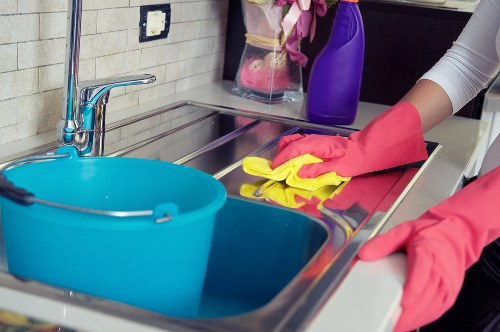
To maintain a clean office efficiently, it helps to break tasks into a schedule. Not every job needs to happen every day, but certain tasks should be completed regularly to avoid buildup and maintain standards. A structured office cleaning plan keeps the workload manageable and ensures nothing is overlooked.
Daily Office Cleaning Tasks
Daily tasks are typically focused on hygiene, trash removal, and surface maintenance. These are the jobs that keep the office looking presentable and comfortable from one day to the next.
- Empty all trash bins and replace liners.
- Wipe down desks, counters, and communal surfaces.
- Sanitize door handles, switches, and shared touchpoints.
- Clean kitchen counters, sinks, and appliance exteriors.
- Sweep entryways and spot-clean visible messes.
- Restock restroom supplies and disinfect fixtures.
Weekly Office Cleaning Tasks
Weekly tasks focus on deeper cleaning and areas that accumulate dust or grime over time.
- Vacuum carpets and upholstered furniture
- Mop hard floors with appropriate cleaners
- Dust shelves, baseboards, and vents
- Clean glass surfaces and internal windows
- Disinfect refrigerators, microwaves, and sink areas
- Clean and polish reception spaces
Monthly Office Cleaning Tasks
Monthly office cleaning tasks usually involve deeper maintenance. These jobs help preserve the condition of the workspace and reduce the need for more costly repairs.
- Deep-clean carpets and rugs
- Clean upholstery and fabric chairs
- Wash interior windows and partitions
- Detail neglected corners and storage areas
- Inspect for buildup in vents or hard-to-reach spaces
A balanced cleaning schedule creates structure, saves time, and helps businesses maintain a polished environment year-round.
Choosing the Right Office Cleaning Approach

There is no single office cleaning model that works for every business. The best approach depends on office size, staff count, traffic levels, hours of operation, and the type of work being done. Some organizations prefer in-house cleaners, while others outsource to a professional cleaning company. Both options can work well when they are managed properly.
In-house cleaning may suit smaller offices with simple requirements. It gives management direct control over cleaning routines and staffing. However, it also requires hiring, training, scheduling, and supervision. For larger or more complex environments, outsourcing office cleaning to professionals can be more efficient and cost-effective.
Professional office cleaning services often bring specialized equipment, trained staff, and flexible scheduling. They can handle everything from routine janitorial duties to deep cleaning and periodic maintenance. This makes it easier for businesses to maintain consistent quality without burdening internal teams.
Factors to Consider When Deciding
When choosing an office cleaning approach, businesses should evaluate the following:
- Office size and layout
- Number of employees and visitors
- Type of flooring and furnishings
- Hours of operation
- Budget and staffing resources
- Cleaning frequency required
- Need for specialized services such as carpet or window cleaning
By looking at these factors carefully, companies can build a cleaning solution that fits their needs instead of relying on a one-size-fits-all model.
What Makes a Strong Office Cleaning Service
Not all providers deliver the same quality. A strong office cleaning service should be reliable, consistent, and attentive to detail. Cleaners should understand how to work in professional environments without interrupting employees or damaging equipment. The best providers also communicate clearly and follow agreed schedules.
Look for service features that support long-term quality. These often include trained staff, quality control checks, flexible appointment times, eco-friendly product options, and a clear list of included tasks. Transparency matters because it helps businesses know exactly what they are paying for.
Another sign of a strong provider is the ability to adapt. Every workplace has unique cleaning needs, and a reliable team should be able to adjust frequency, timing, and task lists to match those needs. Whether the priority is maintaining a reception area, sanitizing shared workstations, or ensuring restrooms are spotless, flexibility is a major advantage.
Professionalism in Action
Good office cleaning teams understand discretion. They work efficiently, respect private spaces, and remain focused on delivering results without disrupting daily operations. This professionalism is especially important in industries that handle sensitive information or receive frequent visitors.
Office Cleaning and Employee Productivity
A clean office can have a direct effect on how well employees perform. Workplace clutter and dirt can create mental noise, making it harder to concentrate and stay motivated. On the other hand, a tidy, organized environment helps people feel calmer and more in control of their day.
Office cleaning also supports better workflow. When common spaces are kept orderly, employees spend less time searching for supplies, avoiding messy areas, or dealing with preventable distractions. This improves team efficiency and contributes to a more professional office culture.
There is also a psychological benefit. Clean spaces tend to feel more welcoming and less stressful. That sense of order can improve morale, reduce frustration, and support a more positive workday. In the long run, the small details of office cleaning can influence how people view their workplace and how much pride they take in their surroundings.
Clean Workspaces Encourage Better Habits
When employees work in a clean environment, they are more likely to keep their own areas organized. This creates a positive cycle where tidiness reinforces responsibility and teamwork. It is one more reason office cleaning should be viewed as an investment, not a routine expense.
Eco-Friendly Office Cleaning Options
Many businesses are now looking for greener ways to maintain their facilities. Eco-friendly office cleaning uses products and practices designed to reduce chemical exposure, protect indoor air quality, and minimize environmental impact. This approach can be especially appealing to companies that prioritize sustainability and employee wellness.
Green office cleaning solutions may include biodegradable cleaning agents, reusable microfiber cloths, low-water cleaning methods, and non-toxic disinfectants. These methods can be effective while also reducing harsh chemical odors and residue. For organizations with employees who are sensitive to strong cleaning products, this can make the office more comfortable.
Eco-conscious office cleaning can also support a company’s brand image. Clients and employees increasingly notice when businesses make thoughtful choices about sustainability. By choosing environmentally responsible cleaning practices, companies show they care about both people and the planet.
Office Cleaning Challenges and How to Handle Them
Even with a strong system in place, office cleaning can come with challenges. Busy schedules, high foot traffic, shared equipment, and seasonal messes can make it harder to keep everything spotless. The key is to anticipate common problems and respond with the right cleaning plan.
One common issue is clutter. Offices naturally accumulate paperwork, supplies, packaging, and personal items. If clutter is not managed, cleaning becomes slower and less effective. A good policy encourages employees to keep their spaces tidy and helps cleaners access surfaces properly.
Another challenge is sanitation in shared spaces. Meeting rooms, kitchens, and restrooms need extra attention because many people use them throughout the day. Frequent office cleaning in these areas helps reduce odors, bacteria, and visible buildup. Regular maintenance is always easier than correcting major neglect later.
Practical Solutions
- Set clear cleaning responsibilities for staff and service providers
- Use labeled storage to reduce clutter
- Schedule cleaning during low-traffic hours
- Prioritize high-touch and high-use surfaces
- Review cleaning results regularly
These simple steps make office cleaning more effective and easier to sustain over time.
How to Build a Smart Office Cleaning Routine
A smart office cleaning routine should be realistic, repeatable, and tailored to the workplace. It should balance daily upkeep with deeper cleaning tasks and allow enough flexibility for seasonal demands or special events. When routines are too vague, important tasks get missed. When they are too rigid, they become hard to maintain.
Start by identifying the busiest areas in the office. These spaces usually need the most frequent attention. Next, define what should happen daily, weekly, and monthly. If outsourcing, make sure service expectations are written clearly so nothing is left to guesswork. If handling office cleaning internally, assign specific responsibilities and use checklists to stay organized.
It also helps to review the routine periodically. As teams grow, schedules change, or office layouts evolve, cleaning needs may shift too. A routine that adapts will stay effective longer and support a consistently clean workplace.
Simple Routine Framework
- Daily: trash removal, restrooms, touchpoints, kitchen surfaces
- Weekly: floors, dusting, glass, upholstery, shared appliances
- Monthly: deep-cleaning, carpet treatment, windows, detailed maintenance
This framework provides a practical starting point for businesses of all sizes.
The Business Value of Consistent Office Cleaning
Consistent office cleaning delivers value in many ways, from reducing illness-related absences to preserving property and strengthening customer impressions. It supports compliance, comfort, and confidence. While the results may not always be dramatic at first glance, they accumulate over time.
For businesses focused on growth, office cleaning should be seen as part of operational excellence. Clean facilities help teams work better and help companies present themselves more professionally. In industries where perception matters, cleanliness can influence everything from client trust to recruitment success.
If your workplace has been struggling with dust, clutter, odors, or inconsistent upkeep, now is the time to improve the system. Whether you need daily janitorial support, periodic deep cleaning, or a tailored maintenance plan, investing in office cleaning can produce clear and lasting benefits. Contact us today to take the next step toward a cleaner, healthier, and more productive office environment.
Book your service now and create a workspace that reflects the standards your business wants to uphold.
Final Thoughts on Office Cleaning
Office cleaning is one of the most practical ways to support workplace health, protect business assets, and improve day-to-day operations. It keeps employees comfortable, helps reduce distractions, and strengthens the overall image of the company. From reception areas to restrooms and everything in between, regular cleaning helps create an office environment people can feel good about.
By focusing on the right tasks, using a reliable schedule, and choosing the right cleaning support, businesses can maintain a space that looks professional and functions efficiently. In modern workplaces, cleanliness is not optional. It is part of success.
Office cleaning done well is a sign of care, organization, and professionalism. Make it a priority, keep it consistent, and enjoy the benefits every day.