Insurance and Safety
 Safety and reliability are essential in every professional environment, and a clear insurance and safety approach helps protect people, property, and business continuity. Whether work takes place on-site, in a workshop, or in a public-facing setting, having the right cover and procedures in place creates confidence and reduces unnecessary exposure to risk. A well-managed public liability insurance policy is one of the foundations of this approach, offering protection if third-party injury or property damage occurs during operations.
Alongside insurance, day-to-day safety depends on preparation, supervision, and consistency. Training, equipment, and inspection routines all play a part in creating a safe environment. Businesses that prioritise insurance and workplace safety are better able to prevent incidents, respond effectively when issues arise, and maintain a responsible standard of care for employees, visitors, and contractors.
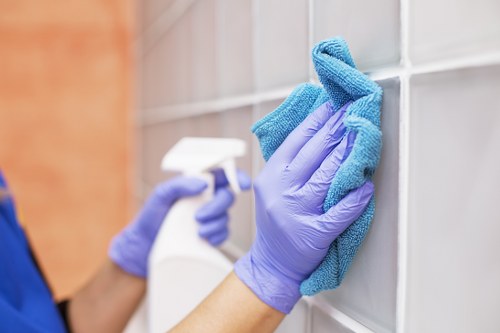 A strong safety culture starts with understanding the tasks being carried out and the risks involved. This means identifying hazards early, reviewing controls regularly, and making sure all staff members know their responsibilities. From protective clothing to emergency procedures, every element contributes to a safer operation. When combined with suitable insurance cover, these measures help form a resilient framework for everyday work.
Public Liability Insurance
Public liability insurance is a key part of many business protection plans. It is designed to help cover claims made by members of the public if they suffer injury or if their property is damaged because of business activities. This type of cover is particularly important where work involves visitors, delivery drivers, clients, or interaction with the general public. While it does not prevent incidents, it can reduce the financial impact of unforeseen events and support continuity after an accident.
In practice, liability cover works alongside physical safety controls. For example, clear signage, tidy work areas, secure equipment storage, and careful supervision all reduce the chance of claims. A company with robust liability insurance and safety measures demonstrates that it takes its responsibilities seriously, both operationally and ethically. This combination of prevention and protection is essential in managing risk effectively.
It is also important to review policy terms carefully. Different activities may require different levels of cover, and some higher-risk tasks can have specific conditions attached. Regular assessment of insurance needs ensures that the protection remains suitable as the business changes, grows, or takes on new types of work.
Staff Training and Competence
 Staff training is a central part of any health and safety strategy. Employees who understand safe working methods are more likely to avoid accidents, use equipment correctly, and respond appropriately in an emergency. Training should cover general workplace safety, role-specific hazards, reporting procedures, and the correct use of protective equipment. Induction training is especially important for new starters so they can begin work with a clear understanding of expectations.
Ongoing refresher sessions help maintain standards and reinforce safe habits. As tasks, tools, or regulations change, training should be updated to reflect new requirements. Supervisors and managers also have an important role in checking that procedures are followed and that workers feel able to raise concerns. A well-informed team strengthens both site safety and operational efficiency.
Competence is not only about formal instruction; it also depends on observation and experience. Staff should be encouraged to stop work if something seems unsafe and to report hazards immediately. When people are supported to act responsibly, the whole organisation benefits from a stronger safety mindset and a lower likelihood of incidents.
PPE and Practical Protection
Personal protective equipment, or PPE, is a practical line of defence when risks cannot be fully eliminated. Depending on the task, this may include helmets, gloves, eye protection, high-visibility clothing, hearing protection, safety footwear, or respiratory equipment. The correct selection of PPE should be based on the hazards identified in the risk assessment process. Using the wrong equipment, or wearing it incorrectly, can leave workers exposed.
Good PPE management includes proper fitting, routine checks, cleaning, and replacement when damaged or worn. Staff must understand not only how to wear PPE but also why it is required. This helps improve compliance and reduces the temptation to treat protective gear as optional. In many environments, PPE works best when combined with safe systems of work and well-maintained equipment.
Protective measures should be proportionate to the activity. For example, low-level tasks may only require basic safety gear, while more complex operations may need a layered approach with barriers, supervision, and specialist equipment. The goal is to reduce exposure without creating unnecessary obstacles to work.
Risk Assessment Process
 The risk assessment process is the foundation of effective safety management. It begins by identifying hazards, then considering who may be harmed and how serious the consequences could be. After that, suitable control measures are introduced, monitored, and updated when conditions change. This process is not a one-time exercise; it should be revisited whenever new equipment is introduced, a work method changes, or an incident suggests improvements are needed.
A useful risk assessment is specific, practical, and easy to understand. It should reflect the actual working environment rather than using generic assumptions. For example, workplace risk controls may include segregation of pedestrians and vehicles, safe storage arrangements, maintenance schedules, and emergency planning. The objective is to reduce the likelihood of harm while keeping operations efficient and realistic.
Documentation is also important. Clear records show that hazards have been considered and that decisions were made responsibly. This supports accountability and helps managers communicate expectations to staff. When the process is followed consistently, it becomes easier to identify weak points and strengthen the overall safety system.
Creating a Safer, More Resilient Operation
 A reliable insurance and safety framework brings together cover, training, PPE, and structured risk management. Each part supports the others: insurance helps protect against financial loss, training improves behaviour and awareness, PPE reduces exposure, and risk assessments guide the right controls. Together, they create a more resilient operation that can adapt to challenges while maintaining high standards.
Businesses that invest time in these areas are better placed to manage uncertainty and uphold their duty of care. Consistent application of procedures, regular reviews, and a shared commitment to safe practice all contribute to better outcomes. In this way, public liability insurance and practical safety measures work hand in hand to support stability, responsibility, and long-term success.