Regular Cleaning in Homes and Businesses: Why Consistency Matters
Why Regular Cleaning Matters for Every Space
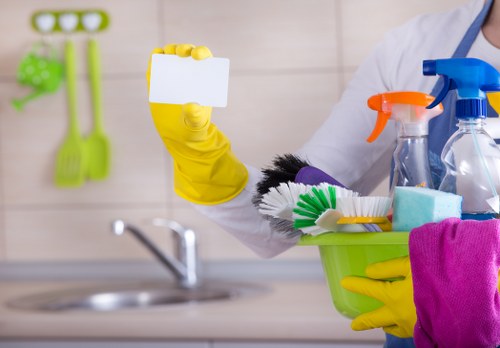
Regular cleaning is more than a cosmetic habit. It is a practical way to protect health, improve comfort, and preserve the value of any space. Whether you manage a busy office, run a retail store, or simply want a healthier home, routine cleaning makes daily life easier and more pleasant.
Many people think of cleaning as something to do only when a room looks dirty, but that approach often creates bigger problems later. Dust, grime, spills, and clutter build up gradually, making surfaces harder to maintain and increasing the chance of odors, allergens, and bacteria spreading. With regular cleaning, you stay ahead of those issues before they become overwhelming.
There is also a strong psychological benefit. A clean environment can support better focus, reduce stress, and create a more welcoming atmosphere for family members, employees, customers, or guests. That is why regular cleaning services and consistent household routines are increasingly valued in modern life.
The Everyday Benefits of Regular Cleaning
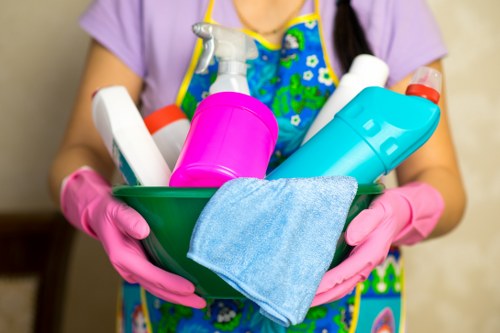
One of the biggest advantages of regular cleaning is prevention. Instead of allowing dirt and mess to accumulate, routine maintenance keeps surfaces easier to manage. This saves time, reduces frustration, and lowers the need for harsh scrubbing or expensive deep restoration later.
Another benefit is better indoor air quality. Dust, pet dander, pollen, and other particles tend to settle on floors, furniture, and vents. When cleaning happens consistently, these pollutants are removed more often, which can make breathing more comfortable for everyone in the space, especially those with allergies or sensitivities.
Regular cleaning also helps protect furniture, flooring, fixtures, and appliances. For example, wiping spills quickly prevents stains, and dusting electronics prevents buildup that can affect performance. In kitchens and bathrooms, routine sanitation reduces moisture-related problems such as mold, mildew, and lingering odors.
Key benefits at a glance
- Improves hygiene and reduces germ spread
- Keeps spaces looking neat and professional
- Extends the life of furniture and surfaces
- Supports better air quality
- Saves time by preventing major buildup
Regular Cleaning in the Home
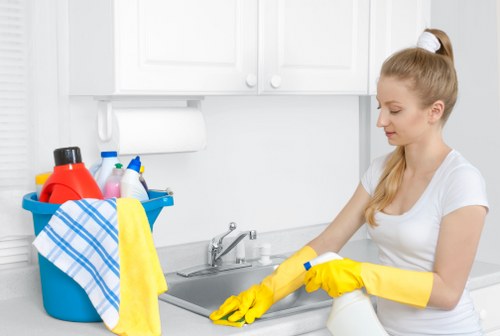
At home, regular cleaning creates a more comfortable and functional living environment. It is easier to relax in a space where floors are clean, countertops are clear, and bathrooms feel fresh. Small, consistent actions often make the biggest difference over time.
A household cleaning routine typically includes dusting, vacuuming, mopping, wiping down surfaces, sanitizing high-touch areas, and managing clutter. These tasks may seem simple, but when they are done on a schedule, they prevent the home from becoming messy or unhealthy. The result is a space that feels more balanced and easier to live in.
Families with children or pets often benefit even more from regular cleaning. Toys, shoes, fur, crumbs, and accidental spills can quickly create chaos. By building cleaning habits into the week, households can maintain a safer, more organized, and more pleasant environment for everyone.
Common home cleaning priorities
- Kitchen counters, sinks, and appliances
- Bathrooms, toilets, tubs, and showers
- Floors, rugs, and carpets
- Bedrooms, dressers, and surfaces
- Entryways and high-traffic areas
Regular Cleaning in Offices and Workplaces
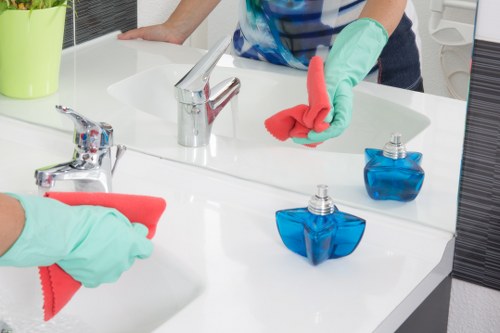
In a workplace, regular cleaning supports productivity and professionalism. Employees are more likely to feel motivated and comfortable in a tidy environment, and visitors immediately notice whether a business is well cared for. Clean spaces reflect attention to detail and create trust.
Office cleaning often focuses on desks, shared equipment, restrooms, kitchens, lobbies, and conference rooms. High-touch surfaces such as door handles, light switches, keyboards, and breakroom counters should be cleaned often because they are used by many people throughout the day.
Businesses that invest in regular cleaning services may also experience fewer sick days and lower complaints about odors, dust, or clutter. This is especially important in modern workplaces where shared areas, hybrid schedules, and client visits require a consistently polished appearance.
Workplace areas that need consistent attention
- Reception and waiting areas
- Restrooms and employee breakrooms
- Meeting rooms and shared desks
- Floors, carpets, and entry points
- Touch surfaces and communal equipment
Why consistency matters in business settings
When cleaning is irregular, dirt and clutter become more visible and harder to manage. Consistent upkeep prevents distractions and helps maintain a brand image that feels organized and dependable. For customer-facing businesses, that impression can directly influence satisfaction and repeat visits.
How Regular Cleaning Supports Health and Hygiene

One of the strongest reasons to prioritize regular cleaning is hygiene. Dust, bacteria, mold, and other contaminants can accumulate quickly in busy environments. Routine cleaning and sanitation reduce exposure to these unwanted elements and help create safer conditions.
In kitchens, regular wiping and sanitizing help prevent food residue from attracting pests or bacteria. In bathrooms, frequent cleaning reduces moisture buildup and keeps germs from spreading. In living rooms and bedrooms, dusting and vacuuming help remove allergens that can affect breathing and overall comfort.
Regular cleaning is especially important during cold and flu season, after gatherings, or in spaces with frequent visitors. While cleaning does not replace proper medical practices, it is a major part of maintaining a healthy environment at home or in the workplace.
Health-related reasons to stay consistent
- Reduces dust and allergen buildup
- Limits germ transfer on high-touch surfaces
- Helps prevent mold and mildew growth
- Improves overall freshness and comfort
- Supports a cleaner, safer daily routine
What Happens When Cleaning Is Left Too Long?
When cleaning is delayed, the work becomes more difficult and time-consuming. A light wipe-down can turn into deep scrubbing, and simple dusting can turn into a full restoration task. Regular cleaning prevents that buildup and helps you avoid unnecessary stress.
Neglected spaces often develop visible stains, unpleasant smells, and hidden dirt in corners, vents, and behind furniture. Over time, this can affect both appearance and hygiene. In some cases, poor maintenance can also damage materials like wood, fabric, tile grout, and carpet fibers.
There is also a practical cost to ignoring routine care. The longer dirt sits, the more likely it is to wear down surfaces or require special products and labor to remove. That means regular cleaning is not only about cleanliness; it is also about saving money and extending the lifespan of what you own.
Building a Regular Cleaning Routine That Works
Creating a cleaning routine does not have to be complicated. The best systems are simple, realistic, and easy to follow. The key is to divide tasks by frequency and focus on the areas that matter most each day, week, and month.
A practical regular cleaning plan usually starts with daily tasks such as wiping surfaces, doing dishes, sweeping high-traffic areas, and tidying clutter. Weekly tasks might include mopping, vacuuming, changing bedding, and cleaning bathrooms. Monthly tasks may involve washing windows, cleaning behind appliances, and deep-cleaning neglected corners.
For larger homes or commercial properties, using a checklist can help keep everyone on track. A schedule turns cleaning from a vague idea into an organized process. That structure makes it easier to maintain consistency even during busy weeks.
Simple routine structure
- Daily: quick tidying, surface wipes, and dish management
- Weekly: floors, bathrooms, dusting, and laundry
- Monthly: windows, baseboards, appliances, and storage areas
- Seasonally: deep cleaning and decluttering
Tip for better consistency
Assign a small set of tasks to each day so cleaning never feels overwhelming. A little effort each day is often more effective than waiting for one large cleaning session.
The Role of Professional Cleaning Services
Sometimes, the demands of life make it difficult to keep up with regular cleaning on your own. That is where professional cleaning services can help. They bring expertise, equipment, and a dependable schedule that ensures spaces stay consistently maintained.
Professional cleaners can handle everything from routine housekeeping to office maintenance and specialized tasks. Their support is especially useful for busy families, commercial spaces, rental properties, and post-event cleanup. With trained attention to detail, they can reach areas that are often overlooked.
Choosing regular cleaning services can also create peace of mind. Instead of worrying about when the next deep clean will happen, you know the work is being handled on time and with care. For many people, that reliability is worth the investment.
When professional help makes sense
- Busy households with limited free time
- Offices that need a consistent presentation
- Rental units between tenants
- Properties requiring deeper sanitation
- Spaces with special cleaning challenges
Regular Cleaning Tips for Better Results
To get the most out of regular cleaning, focus on habits that are sustainable. A routine only works if it fits your lifestyle and environment. Start with the tasks that make the biggest impact, then build from there.
Use quality tools such as microfiber cloths, a reliable vacuum, safe disinfectants, and storage containers for organization. The right supplies can make cleaning faster and more effective. It is also helpful to keep products in the rooms where they are used most often, so there is less resistance to starting.
Another smart strategy is to clean as you go. Wipe spills immediately, put items back after use, and take a few minutes each day to reset shared spaces. These small actions are the foundation of regular cleaning and make larger routines much easier to manage.
Practical habits that save time
- Do a five-minute reset before bed
- Handle spills and crumbs right away
- Use baskets or bins to reduce clutter
- Set recurring reminders for weekly tasks
- Keep cleaning products accessible and organized
Regular Cleaning and Long-Term Property Value
Regular cleaning does more than improve day-to-day comfort; it also helps preserve property value. Floors, walls, fixtures, and furnishings tend to last longer when they are maintained properly. This matters for homeowners, landlords, and business owners alike.
A clean, well-kept property creates a better first impression and can reduce repair costs over time. Dust and dirt can be abrasive, moisture can cause staining, and neglected buildup can lead to permanent damage. Routine maintenance reduces these risks and supports a better return on investment.
For businesses, a clean facility can influence customer perception, employee morale, and operational efficiency. For homeowners, it can make daily life more comfortable while protecting the condition of the property. In both cases, regular cleaning is a smart, forward-thinking habit.
Frequently Overlooked Areas That Need Routine Attention
Many spaces look clean on the surface while hidden areas quietly collect dust and grime. Part of effective regular cleaning is remembering the spots that are easy to miss.
Examples include baseboards, ceiling fans, vents, under furniture, behind appliances, and light switches. These areas may not be cleaned every day, but they should still be included in a routine. Ignoring them allows buildup to spread and reduces the overall quality of the space.
Paying attention to overlooked spots creates a more complete clean. It also helps the entire room feel fresher rather than just temporarily tidy.
Often-missed areas to add to your schedule
- Under couches and beds
- Window tracks and sills
- Door frames and handles
- Air vents and fans
- Cabinet tops and edges
Conclusion: Make Regular Cleaning Part of Everyday Life
Regular cleaning is one of the simplest ways to improve health, comfort, and peace of mind. It keeps homes more inviting, workplaces more professional, and properties easier to maintain. When cleaning happens consistently, the results are visible and lasting.
Instead of waiting for messes to become overwhelming, build a routine that fits your schedule and priorities. Even small, steady actions can make a major difference over time. If you want a cleaner, healthier, and more organized space, now is the perfect time to start.
Book your service now or Contact us today to keep your property looking its best with dependable regular cleaning support.