Mattress Cleaning in Every Home: A Practical, SEO-Friendly Approach to a Fresher, Healthier Bed
A clean mattress is one of the simplest ways to improve sleep quality, indoor hygiene, and overall comfort. Yet mattress cleaning is often overlooked until stains, odors, dust buildup, or allergy symptoms make the issue impossible to ignore. Whether you are dealing with a family bed, a guest room mattress, or a premium memory foam surface, mattress cleaning matters more than many people realize. It helps remove allergens, extends mattress life, reduces unpleasant smells, and supports a healthier sleeping environment.
Unlike sheets and pillowcases, a mattress cannot be thrown into a washing machine. That means mattress cleaning requires a more intentional approach, combining regular maintenance, spot treatment, and periodic deep cleaning. With the right methods, you can keep your bed fresh without damaging materials or creating excess moisture. This article explains practical mattress cleaning techniques, common mistakes to avoid, and when it makes sense to call in professional help.
From basic vacuuming to stain removal and deodorizing, the goal is to create a sleep surface that feels cleaner, smells better, and performs well over time. If you have been searching for effective mattress cleaning methods that are easy to follow and suitable for everyday use, you are in the right place. Let’s look at what works, why it matters, and how to maintain a healthier bedroom with confidence.
Why Mattress Cleaning Matters More Than Most People Think
A mattress quietly collects dead skin cells, body oils, sweat, dust, and allergens over time. Even if a bed looks clean on the surface, the layers underneath can harbor buildup that affects comfort and hygiene. Regular mattress cleaning helps reduce this accumulation before it becomes a bigger problem. This is especially important for households with children, pets, allergy sufferers, or anyone who spends long hours in bed due to illness or recovery.
One of the biggest benefits of mattress cleaning is improved air quality around the sleeping area. Dust mites thrive in warm, humid environments and feed on shed skin cells. While they are microscopic, they can trigger congestion, sneezing, itchy eyes, and other allergy-like symptoms. A consistent mattress cleaning routine can lower allergen levels and make your bedroom feel noticeably fresher.
There is also a financial advantage. Mattresses are an investment, and neglect can shorten their usable life. Sweat and moisture can break down foam and fabrics, while stains can permanently affect appearance and odor. Mattress cleaning supports mattress longevity by preventing buildup from turning into long-term damage. In other words, cleaning is not just about hygiene; it is also about protecting what you paid for.
Understanding the Different Types of Mattress Cleaning

Not all mattresses respond the same way to cleaning. Innerspring, memory foam, latex, hybrid, and pillow-top mattresses each have different materials and moisture tolerances. Before starting any mattress cleaning process, it helps to understand what your mattress can safely handle. A method that works for a fabric-topped spring mattress may not be suitable for a foam mattress that absorbs liquid easily.
There are three broad categories of mattress cleaning. The first is routine maintenance, which includes vacuuming, airing out the mattress, and using protective covers. The second is targeted spot cleaning, which focuses on stains, spills, or localized odors. The third is deep mattress cleaning, which may involve steam, enzymatic solutions, or professional extraction depending on the condition of the bed.
Choosing the right approach depends on the problem. A light dust buildup requires simple vacuuming, while urine, sweat, or food stains may need more advanced stain removal. If your mattress has persistent odors or visible contamination, a deeper mattress cleaning treatment may be necessary. Matching the method to the issue is the best way to achieve good results without causing damage.
How Often Should You Clean a Mattress?

The ideal mattress cleaning schedule depends on how the bed is used and who sleeps on it. As a general rule, vacuuming and refreshing the surface should happen every one to two months. Spot cleaning should be done as soon as stains appear, because older stains are harder to remove. For deeper mattress cleaning, many households benefit from a more thorough treatment every six months.
Some situations require more frequent care. If you have pets that sleep on the bed, allergies in the household, or young children prone to spills, mattress cleaning may need to happen more often. In humid climates, moisture control becomes especially important because damp conditions can encourage mold and mildew. In these cases, regular airing out and use of a dehumidifier can support your mattress cleaning routine.
A practical habit is to clean the mattress whenever you rotate or flip it. This keeps maintenance tied to a recurring task, making it easier to remember. You can also use seasonal cleaning as a trigger: spring and fall are excellent times to vacuum, treat stains, and inspect for wear. With a manageable schedule, mattress cleaning becomes a routine part of home care rather than a stressful chore.
Essential Supplies for Effective Mattress Cleaning
Before cleaning begins, gather the right supplies so you can work efficiently. Using the proper tools makes mattress cleaning safer and more effective, especially when dealing with stains or odors. Most people already have many of the basics at home, and a few specialized items can make a noticeable difference.
Common supplies include:
- Vacuum cleaner with upholstery attachment for surface dust and debris
- Baking soda for odor absorption
- Clean microfiber cloths for blotting and wiping
- Mild liquid soap or gentle detergent for spot treatment
- Cold water for safe stain removal
- Enzymatic cleaner for urine, sweat, and organic stains
- Fan or open window to speed drying
- Mattress protector to prevent future issues
Using harsh chemicals is usually unnecessary and can be risky for delicate mattress materials. Strong bleach solutions may discolor fabrics, and excess moisture can soak into foam layers. A successful mattress cleaning job is usually about patience, proper technique, and minimal water. The best results come from starting gently and only escalating when needed.
Step-by-Step Mattress Cleaning Process
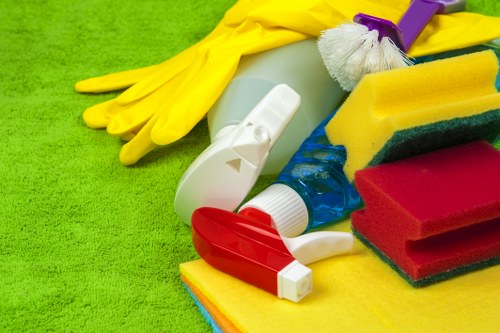
A structured process helps you clean the mattress thoroughly without missing important areas. Start by removing all bedding, including sheets, mattress protectors, pillowcases, and blankets. Wash these separately according to their care instructions. Once the mattress surface is exposed, inspect it for stains, odors, dust, or signs of wear. This first look gives you a clear plan for the rest of the mattress cleaning process.
Next, vacuum the mattress slowly and methodically using the upholstery attachment. Pay close attention to seams, edges, tufts, and corners where dust and debris tend to settle. This step is one of the most important parts of mattress cleaning because it removes loose particles before liquid products are used. Vacuuming also helps reduce allergens and makes spot treatment more effective.
After vacuuming, treat stains one at a time. Blot the area with a clean cloth and avoid rubbing, which can push the stain deeper into the fibers. Apply a small amount of cleaning solution, then blot again until the stain begins to lift. Allow the mattress to dry completely before replacing bedding. This drying stage is critical, because trapped moisture can lead to odor, mildew, or material damage. A careful mattress cleaning routine always includes enough drying time.
Practical Sequence to Follow
- Strip the bed completely.
- Vacuum the entire mattress surface.
- Spot clean stains with minimal liquid.
- Deodorize if necessary.
- Let the mattress dry fully.
- Replace with clean bedding and a protector.
How to Handle Common Mattress Stains
Stains are one of the most common reasons people begin mattress cleaning in the first place. From accidental spills to sweat marks, the right treatment depends on the source of the stain. Acting quickly is the best strategy, because fresh stains are much easier to remove than old ones that have set into the material. A calm, methodical approach usually delivers the cleanest result.
Sweat stains are usually treated with a mild detergent solution or a mixture of water and baking soda. These stains often appear yellowish and may be accompanied by a lingering odor. Blotting helps lift the residue, while deodorizing supports a fresher surface. Sweat-related mattress cleaning is especially useful in warm climates or for people who tend to sleep hot.
Urine stains require more attention because they can penetrate deeper and leave strong odors behind. An enzymatic cleaner is often the best choice because it breaks down the organic compounds causing the smell. After blotting, apply the cleaner according to the label and allow adequate drying time. If the mattress is a foam type, keep moisture use to a minimum to avoid oversaturation.
Deodorizing Your Mattress Naturally
Odor control is a key part of mattress cleaning, especially if the mattress has absorbed sweat, pet smells, or general stale air. Baking soda is one of the simplest and most effective natural deodorizing agents. Sprinkle a light, even layer across the mattress surface and let it sit for several hours before vacuuming it up. This helps absorb moisture and neutralize unpleasant smells without using heavy fragrances.
For deeper odor concerns, mattress cleaning can include improved ventilation. Open windows, run a fan, and allow the room to circulate fresh air. Sunlight can also help, if the mattress can be safely moved and exposed briefly without overheating or discoloring the fabric. Fresh air is a powerful ally in any cleaning routine, especially for beds that have been used for years without regular maintenance.
If odors persist, the issue may be deeper than the surface. In some cases, repeated spills, dampness, or hidden contamination can create smells that are difficult to eliminate with household products alone. When this happens, a more intensive mattress cleaning treatment or professional service may be the most practical solution. The goal is not to mask the odor, but to remove its source.
Mattress Cleaning for Different Mattress Materials
Material matters when cleaning a mattress. Memory foam, for example, absorbs liquid more easily than many spring mattresses, so it should be cleaned with very little moisture. Excess water can break down foam structure or lead to long drying times. For memory foam, dry methods and light spot treatment are often safest. This is why many homeowners choose low-moisture mattress cleaning techniques for foam beds.
Latex mattresses are resilient but still should not be saturated. They can usually handle gentle surface cleaning and limited spot treatment. Innerspring mattresses often allow a bit more flexibility, but the upholstery layer can still be damaged by heavy soaking. Hybrid mattresses combine foam and springs, so the safest approach is usually to treat them like foam-heavy beds: careful, minimal, and dry as quickly as possible.
Pillow-top mattresses can trap dirt and moisture in the extra cushioning layer, making thorough vacuuming particularly important. For all types, always check manufacturer instructions before using any cleaner. A product that seems harmless may void a warranty if it is used incorrectly. Good mattress cleaning respects the materials as much as it removes the dirt.
Common Mistakes to Avoid During Mattress Cleaning
Even well-intentioned cleaning can go wrong if the process is rushed. One of the biggest mistakes is using too much water. Mattresses are not designed to be washed like linens, and excess moisture can create mildew, odor, and damage. Another common error is scrubbing stains aggressively, which can spread the mess and damage fibers. Effective mattress cleaning is usually gentler than people expect.
Using strong chemicals is another issue. Bleach, ammonia, and heavy solvents may seem powerful, but they can discolor fabrics, irritate the skin, and create harmful fumes. It is usually better to use mild soap, baking soda, or a targeted enzymatic solution. In most cases, a careful, repeated approach works better than a harsh one-step fix. Mattress cleaning should be safe for both the material and the people using it.
Another mistake is replacing bedding before the mattress is fully dry. Even a slightly damp surface can trap humidity under sheets and mattress protectors. That trapped moisture may lead to odors or mold growth. Always wait until the mattress feels completely dry to the touch. If needed, use a fan or airflow from an open window to speed up the process. Patience is a major part of successful mattress cleaning.
When Professional Mattress Cleaning Makes Sense
Sometimes home methods are enough, but there are situations where professional mattress cleaning is the better choice. Deep stains, extensive odor issues, water damage, and suspected mold may require equipment and products that are not available to the average homeowner. Professional cleaners can also address larger mattresses or heavily used guest beds more efficiently. If your own efforts are not producing results, a professional service may save time and frustration.
Professional mattress cleaning often uses specialized extraction tools, low-moisture systems, and stronger yet material-safe cleaning agents. This can be especially helpful for households with severe allergies or for mattresses that have not been cleaned in years. While it is still important to maintain the mattress yourself, a periodic professional treatment can provide a stronger reset. In many homes, the best strategy combines regular maintenance with occasional expert help.
If you are dealing with recurring odor, deep contamination, or a mattress that simply feels old and unrefreshing, do not wait too long. Contact us today to learn more about service options, and book your service now if you want the bed restored with professional care. A clean sleep surface can make a real difference in daily comfort and peace of mind.
How Mattress Cleaning Supports Better Sleep
A fresh mattress can influence sleep quality in subtle but meaningful ways. Clean bedding and a clean sleeping surface create a more pleasant environment, which can support relaxation. When dust, odor, and allergens are reduced, the bedroom often feels calmer and more inviting. This is one reason mattress cleaning is not just a maintenance task; it is part of building a better sleep routine.
People with allergies or asthma often notice the benefits most clearly. Fewer irritants in the mattress can mean less nighttime congestion, fewer disturbances, and a more comfortable morning. Even if you do not have sensitivities, a fresh mattress contributes to a sense of cleanliness that makes it easier to unwind at night. The psychological comfort of a well-kept bed should not be underestimated.
Think of mattress cleaning as part of your broader bedroom wellness habits. Along with changing sheets regularly, rotating the mattress, and controlling humidity, cleaning helps create a sleep space that supports rest. These small habits can add up to a more pleasant home environment. A cleaner bed often feels like a better place to start and end the day.
Maintaining Your Mattress After Cleaning
Once the mattress is clean, maintenance becomes the key to keeping it that way. A protective mattress cover or waterproof protector is one of the best investments you can make. It helps block spills, sweat, and dust from reaching the mattress surface. This simple layer can significantly reduce how often deep mattress cleaning is needed.
Regular vacuuming should remain part of your routine. Even when the mattress looks fine, dust can gather over time. Rotating the mattress according to the manufacturer’s recommendations can also prevent uneven wear and help preserve comfort. In addition, washing bedding weekly reduces the amount of debris that reaches the mattress in the first place. Good maintenance makes mattress cleaning easier and less frequent.
It also helps to watch for early warning signs. A slight odor, a fresh stain, or increased allergy symptoms can signal that cleaning is due. Responding quickly keeps small issues from becoming larger ones. When mattress care becomes routine, the bed stays fresher for longer and provides better support in everyday life. That consistency is what makes a difference over time.
Final Thoughts on Mattress Cleaning
Mattress cleaning is one of those household tasks that delivers more value than many people expect. It improves hygiene, helps control allergens, reduces odors, and extends the life of your mattress. Whether you handle the job yourself or bring in a professional service, regular cleaning supports a more comfortable and healthier sleep environment.
The best approach is simple: vacuum regularly, treat stains quickly, deodorize when needed, and protect the mattress from future damage. With a smart routine and the right techniques, mattress cleaning becomes manageable rather than overwhelming. If your bed could use a refresh, now is the right time to take action.
Contact us today for expert support, or book your service now to give your mattress the care it deserves. A cleaner bed can help you sleep better, feel better, and enjoy your home more every night.